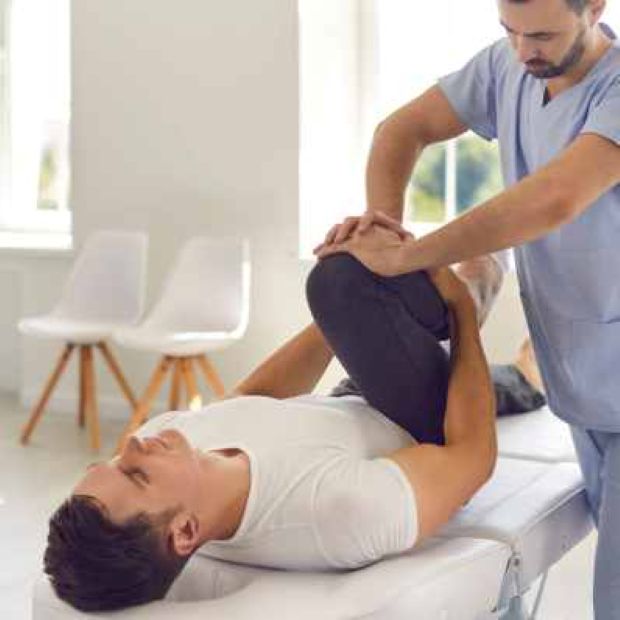
Knee pain can turn everyday activities into uncomfortable challenges. Walking upstairs, getting out of a chair, exercising or even standing for long periods may become difficult. While resting might seem like the obvious solution, a growing focus in physiotherapy is helping people manage knee discomfort through personalised strength training and controlled movement.
For individuals experiencing knee pain in Droitwich, understanding how stronger muscles support healthier joint function can be an important step towards regaining confidence and mobility.
Why Strength Training Is Becoming Important for Knee Pain
Traditionally, people experiencing knee discomfort were often encouraged to avoid activities that might aggravate their symptoms. However, modern physiotherapy increasingly emphasises appropriately prescribed exercise rather than prolonged inactivity. The muscles surrounding the knee help support the joint, absorb forces and control movement. When these muscles become weak, everyday activities may feel more demanding.
Strengthening the quadriceps, hamstrings, glutes and calves can improve stability and make daily movements more manageable. Research published in the British Medical Journal in 2025 supports exercise as a first-line intervention for knee osteoarthritis, highlighting the benefits of different exercise approaches for pain and physical function.
How Stronger Muscles Support Better Knee Function
The knee does not work independently. It relies on the surrounding muscles and neighbouring joints to perform everyday movements efficiently. Targeted strengthening exercises can provide several benefits:
-
Improved joint stability: Stronger muscles help control knee movement during walking and climbing stairs.
-
Better balance: Strengthening the lower limbs can improve coordination and confidence.
-
Reduced discomfort: Appropriate exercise may help manage pain associated with certain knee conditions.
-
Greater mobility: Improved strength can make sitting, standing and recreational activities easier.
-
Long-term independence: Maintaining muscle strength supports everyday physical function.
However, exercises should match the individual's condition, physical ability and recovery goals.
Which Exercises Can Help Manage Knee Pain?
There is no single exercise programme suitable for everyone. Physiotherapists generally recommend movements based on the underlying cause of discomfort and the person's current capabilities. Common rehabilitation exercises may include:
Sit to Stand Exercises
Repeatedly standing from a chair helps strengthen the thighs and hips while practising an essential everyday movement.
Controlled Step Ups
Using a low step can help develop lower limb strength and improve confidence when climbing stairs.
Straight Leg Raises
These exercises may help activate the thigh muscles without requiring substantial knee bending.
Stationary Cycling
Gentle cycling can encourage movement while providing a low-impact cardiovascular activity.
Exercises should be introduced gradually, with professional guidance when necessary. Persistent worsening pain or swelling requires reassessment.
Why Personalised Physiotherapy Makes a Difference
Knee discomfort can develop for several reasons, including osteoarthritis, sports injuries, overuse, muscular weakness or movement-related difficulties. Consequently, following random online exercises may not address the actual problem. People seeking professional treatment for knee pain in Droitwich can benefit from an assessment that considers their symptoms, movement patterns, muscle strength and lifestyle.
Depending on the assessment, rehabilitation may involve progressive strengthening, movement exercises, hands-on treatment where appropriate and practical advice for managing everyday activities.
When Should You Seek Professional Advice?
Occasional knee discomfort may settle with sensible activity adjustments. However, persistent pain, recurring swelling, stiffness or difficulty completing normal activities deserves professional attention. Sudden severe pain, significant swelling, fever with a hot joint or an inability to bear weight requires prompt medical assessment. Early evaluation can help identify possible causes and guide appropriate rehabilitation.
Take the First Step Towards Stronger Knees
Living with knee discomfort does not always mean giving up activities you enjoy. With suitable guidance, gradual strengthening and consistent rehabilitation, many people can improve their movement and confidence. If you are struggling with knee pain in Droitwich, consider booking a professional assessment today!
Discover how personalised physiotherapy and progressive rehabilitation may help you return to everyday activities with greater comfort and confidence.
Visit now:: https://energizetherapy.com/